
Manufacturing Guide / Flight & Bomber
How Flight Jackets Are Made: The MA-1 Production Process
Learn the flight jacket manufacturing process, from MA-1 fabric selection and pattern making to sewing, quality checks and private-label production.
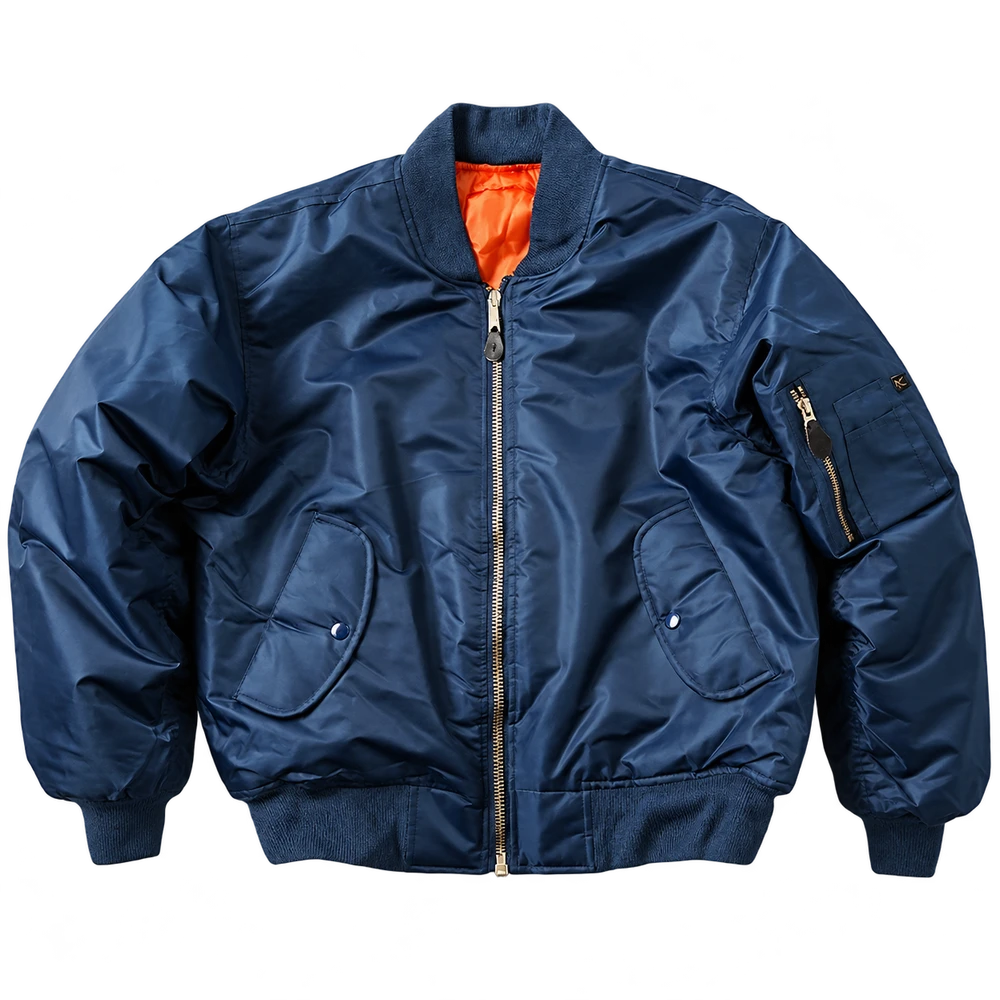
The short answer
Flight jackets are made by defining the design, approving materials and a fit sample, cutting the shell and lining, preparing pockets and decoration, assembling the garment, and inspecting the finished jackets. For a custom MA-1, the approved sample, component list and measurement chart should stay together through production.
A flight jacket is a family of designs, not one fixed specification. This guide follows a civilian MA-1-style bomber: a zip-front jacket with a ribbed neckline, cuffs and hem. Point-collar, hooded and padded variations need their own patterns and component decisions. For clothing brands, a repeatable result begins with recording those differences before bulk fabric is cut.
Alpha Industries describes the MA-1’s reversible orange lining as a historical visibility feature in its Core Styles guide. That explains a familiar design detail; it does not mean every modern bomber must use the same lining or construction.
Use heritage references to define a direction, then write an original specification for your label. A nylon look, an orange lining and a sleeve pocket are useful visual cues, but they do not identify fabric weight, insulation, fit or a finished garment’s performance.
Reference: Alpha Industries — Core Styles
A buyer’s production map
The flight jacket manufacturing process at a glance
| Stage | Main output | Buyer approval point |
|---|---|---|
| 1. Design brief | Tech pack, artwork and order breakdown | Construction and target fit |
| 2. Materials | Shell, lining, ribs, closures and labels | Actual component references |
| 3. Pattern & sample | Pattern development and a fitted garment | Measurements and revisions |
| 4. Cutting | Inspected fabric cut into matched panels | Shade, direction and panel identity |
| 5. Decoration | Embroidery, printing or patch preparation | Placement and shell appearance |
| 6. Assembly | Pockets, shell, ribs, zipper and lining | Seam quality and operation |
| 7. Inspection | Finished measurements and appearance checks | Approved sample and agreed tolerances |
| 8. Packing | Correct labels, assortment and carton marks | Size/color quantities and dispatch scope |
1. What should a flight jacket tech pack include?
A useful tech pack defines the jacket’s shape, finished measurements, materials, pockets, closures and branding. Include front and back drawings, a base size, a size breakdown and artwork dimensions. Mark any undecided component clearly so the first sample answers specific questions rather than filling gaps with assumptions.
Choose the neckline first: a rib-collar MA-1, point-collar flight jacket and detachable-hood bomber are different patterns. State the intended wearer, layering needs and body length. A cropped fashion fit and a roomier workwear fit can look similar in a flat photograph but behave differently when worn.
- Draw each pocket opening and identify its usable depth.
- Define chest, shoulder, sleeve and body-length measuring points.
- Give the logo’s finished dimensions and its distance from a seam.
- Identify the style version, quantity by size/color and delivery destination.
2. Which fabrics, linings and trims should you choose?
Select the shell, lining, optional insulation, ribs and hardware as separate components. Approve real swatches and trim samples alongside the bill of materials. The term “flight nylon” or “satin” alone does not define weight, finish, lining coverage or the warmth of the completed jacket.
Schott N.Y.C.’s 9508 product page provides a useful lightweight example: it describes a nylon flight-satin shell, orange nylon lining, knit collar/cuffs/waistband and a sleeve pocket. These are that product’s published features, not a universal MA-1 specification. For private label bomber jacket production, translate the desired appearance into individually approved components.
Reference: Schott N.Y.C. — 9508 Lightweight MA-1 Nylon Flight Jacket
| Component | Specify in the brief | Check on the sample |
|---|---|---|
| Shell | Fiber, weight, color, surface finish and hand feel | Appearance, drape and sewing behavior |
| Lining & insulation | Fiber, color, coverage and any filling weight | Comfort, bulk and movement |
| Rib knit | Composition, height, color and relaxed dimensions | Recovery and how the body gathers |
| Zippers & snaps | Type, length, finish and any custom puller | Smooth operation and alignment |
| Brand labels | Artwork, finished size and placement | Legibility and attachment position |
3. How are patterns and the first sample developed?
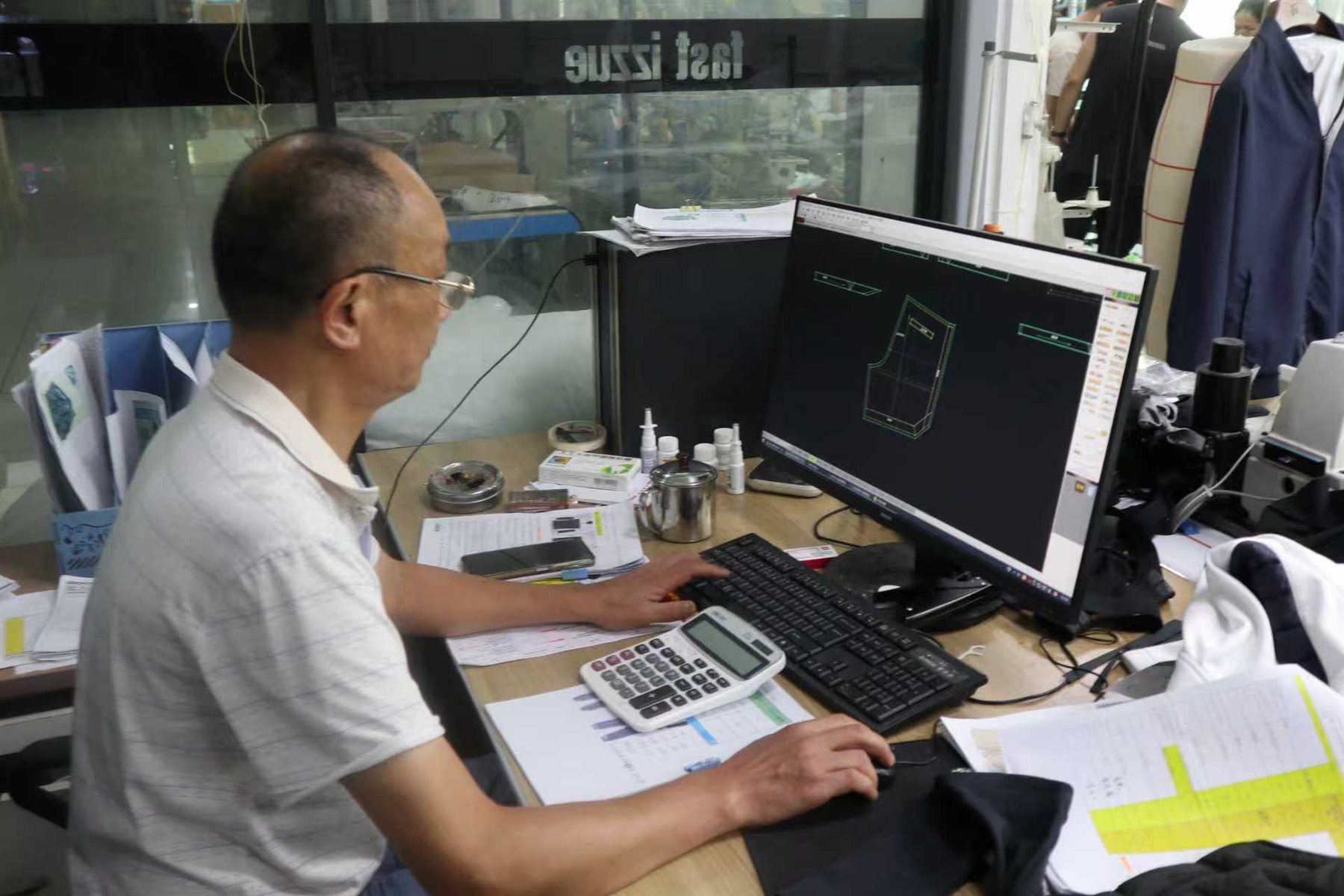
Pattern development turns the approved measurements and design into shaped garment panels. The first sample checks how the shell, lining, ribs and any padding work together. Review it on the intended wearer or fit model, consolidate revisions, and approve the corrected specification before releasing bulk production.
Check sleeve movement, shoulder position, collar shape and front balance with the zipper both open and closed. Rib dimensions affect the gathered silhouette, while lining ease and insulation can change the usable room inside the jacket. Keep these decisions tied to a measured garment rather than approving appearance from a front photo alone.
After the base fit is approved, agree the size grading and whether additional sizes need a sample check. Record the revision number, measurements and accepted component references. A pre-production sample is most useful when it represents the materials and details intended for the bulk order.
4. How is flight-jacket fabric inspected and cut?
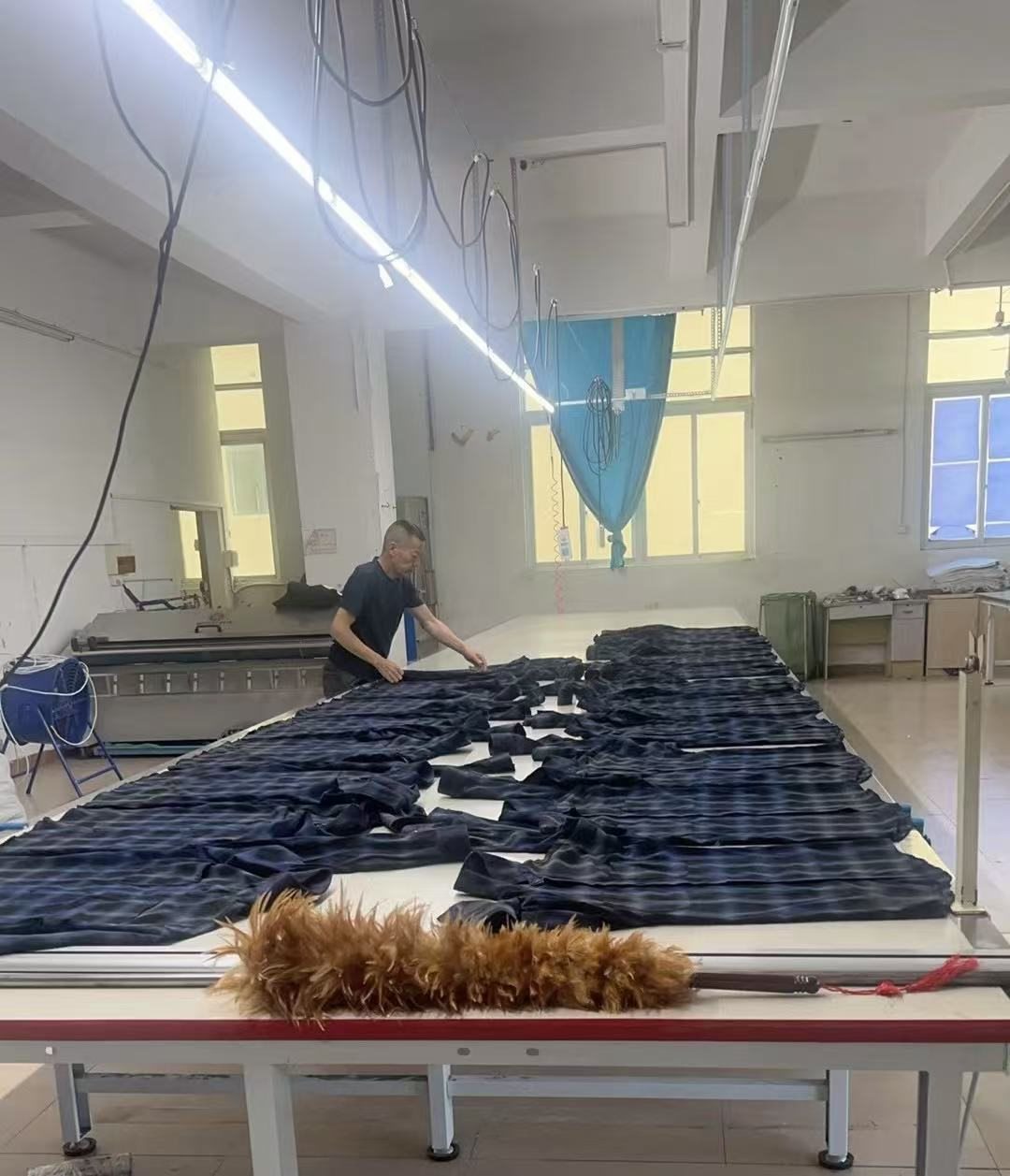
Fabric inspection and cutting turn approved materials into identifiable sets of panels. Check usable width, shade consistency, surface faults and the agreed cutting direction before laying out the marker. Shell, lining, pocketing and insulation require their own pieces, and each bundle should remain traceable to its style, size and color.
Confirm any fabric relaxation or preparation needed for the chosen material. A directional sheen can make adjacent panels look different when their orientation changes. Keep paired sleeves, fronts and pocket pieces consistent with the approved cutting plan, and check notches and placement marks before the panels enter sewing.
Cutting accuracy supports later alignment: a misplaced pocket opening or mismatched front edge is difficult to correct during assembly. Resolve any material substitution before cutting rather than allowing it to become an undocumented production change.
5. When are embroidery and custom labels added?
Decoration is scheduled around access to the panel and the approved construction sequence. Chest or back embroidery is often easier before the shell is closed, while some patches and labels are attached later. Test the proposed method on the selected shell and approve its size, position and appearance before repetition.
For custom MA-1 bomber jackets, keep artwork clear of the sleeve utility pocket, zipper seam and rib joins. Dense stitching can gather a lightweight shell; a printed design may need a separate application and care trial. The artwork file should be supported by an actual decorated sample, not only a digital mockup.
List the main label, size label, care label, hangtag and packaging artwork separately. Tell the team which logos and artwork you are authorized to use, and keep the accepted files under the same style version as the sample.
6. How are the shell, ribs, zipper and lining assembled?
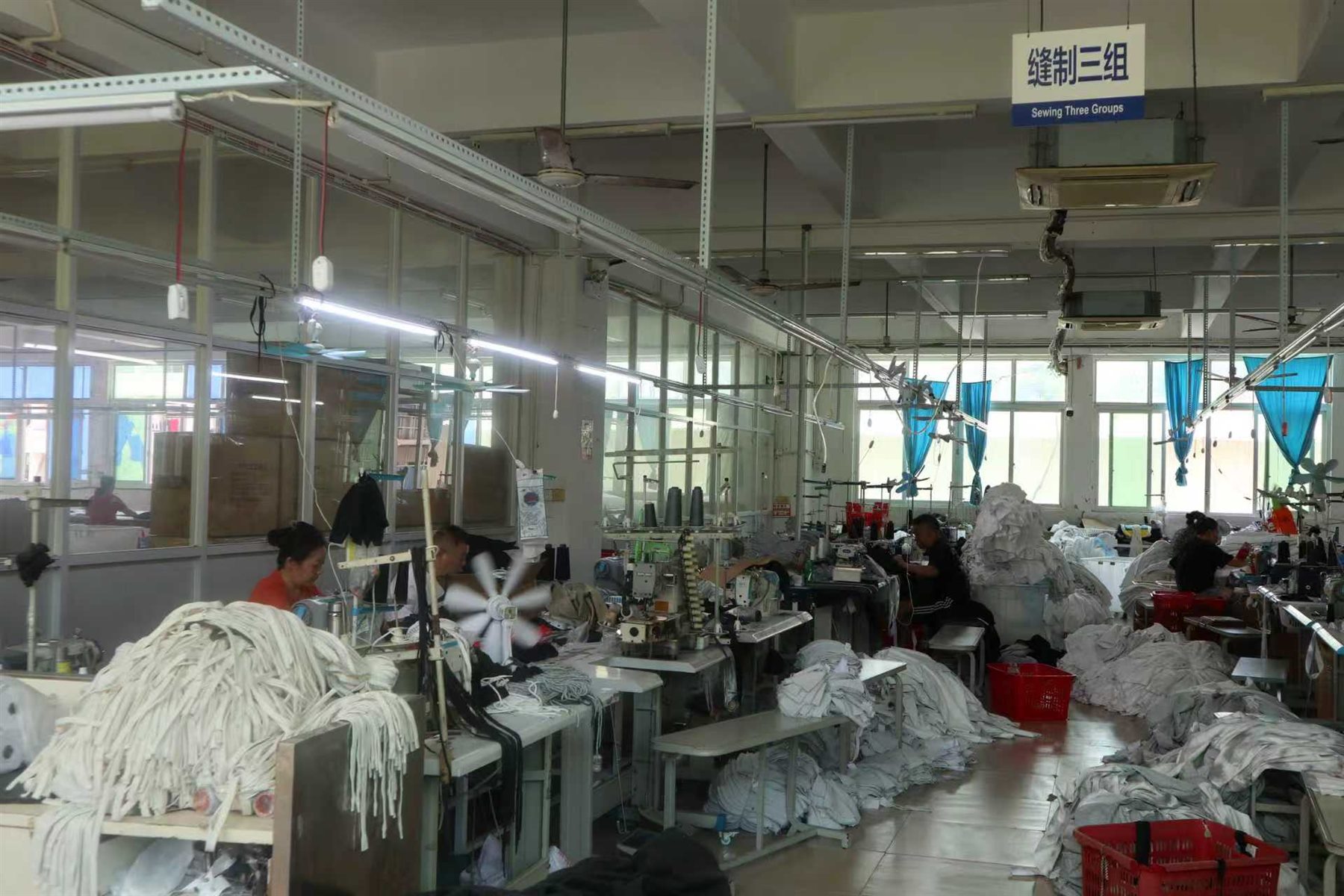
Assembly combines prepared pockets and panels into a shell, adds the rib components and front closure, and joins the lining according to the approved design. The exact operation order varies with the pocket layout and reversible construction. The critical checks are consistent feeding, balanced seams and closures that operate without catching fabric.
Prepare the front and sleeve pockets while their panels remain accessible. Assemble the body and sleeves, then control the distribution of rib stretch at the neckline, cuffs and hem. Check that the collar sits evenly and that left and right sides finish at matching heights.
Install the zipper and any wind flap with enough clearance for the slider. YKK’s sewing guidance explains that stitching too close to the elements can cause the slider to catch fabric, particularly when lining is present. Check the closure on the assembled sample instead of judging the zipper as a loose trim.
Prepare the lining and any agreed insulation, join it to the shell, finish the turning opening and review the garment inside and out. Reversible designs need particular attention to exposed finishing, labels, pockets and suitable zipper hardware on both sides.
Reference: YKK — Guidance on Sewing Zippers
7. What should be checked before shipment?
Inspect the finished flight jackets against the approved sample, component list and measurement chart. Check measurements, appearance, pocket access, zipper movement, rib attachment and labels. Agree the inspection scope, tolerances and any performance testing before the order so acceptance is based on recorded requirements rather than a general quality claim.
Use inspection findings to record and resolve differences before packing. If the brief includes water resistance, colorfastness or another performance requirement, agree the test method and evidence separately. An MA-1 silhouette or a glossy nylon shell does not establish a tested performance level.
| Check | What to compare | Typical issue to resolve |
|---|---|---|
| Fit & measurements | Agreed measuring points and size chart | Sleeve length or body width outside tolerance |
| Shade & surface | Approved shell and lining references | Panel mismatch, marks or unwanted shine |
| Pockets & seams | Approved layout, reinforcement and finish | Uneven placement, skipped stitches or puckering |
| Zippers & ribs | Operation, symmetry and agreed rib dimensions | Caught lining, uneven front or twisted rib |
| Branding & labels | Accepted artwork and label positions | Incorrect logo size or label placement |
| Packing | Size/color breakdown and carton instructions | Wrong assortment or missing carton marks |
8. How should a 100-piece private-label order be planned?
Start with a clearly defined style and a quantity breakdown by color and size. QIANXI’s standard MOQ starts at 100 pieces; confirm the applicable style, color and component minimums in your quotation. Keep sampling, bulk approval and dispatch as separate milestones, with timing confirmed for the actual project.
A useful flight jacket manufacturing process also includes commercial decisions: available fabrics, custom rib colors, branded trims and artwork can affect minimums and scheduling. Send your target market, desired launch date and delivery destination with the brief. Ask which items are available and which need separate development.
Before production, align the approved sample with the latest measurement chart, bill of materials, labels and packing instructions. This provides a practical reference for a custom bomber jacket manufacturer and gives your brand a clear basis for reviewing the finished order.
Before you place an order
Flight jacket production FAQ
What is the difference between a flight jacket and an MA-1?
Flight jacket is a broad category with several collar, pocket and material directions. An MA-1 is a specific design family commonly associated with a ribbed collar, cuffs and waistband, a zip front and a sleeve utility pocket. Identify the exact construction in the brief.
Does an MA-1 jacket have to be padded?
No. Insulation is a specification decision. Define whether the jacket is uninsulated or padded, and list the shell, lining and any filling separately. Review the finished sample for the intended season and layering needs.
Is a nylon flight jacket automatically waterproof?
No. Fiber type alone does not establish waterproof performance. The material, seams, closures and finished construction all affect the result. Include the intended performance and agreed verification in the project specification.
Can a 100-piece order include several colors and sizes?
Provide the full breakdown for review. QIANXI’s standard MOQ starts at 100 pieces, but the applicable minimum per style, color, material or custom trim is confirmed in the quotation. Do not assume one minimum covers several different designs.
How long does custom bomber jacket production take?
Timing depends on the materials, decoration, sampling revisions, quantity and production plan. Request a written schedule for sample development, approval, bulk production and dispatch after the specification is reviewed.
Official brand and technical references
Independent references accessed on October 21, 2026. Brand links support the specific descriptions above; they do not indicate a manufacturing relationship with QIANXI.
- 01Alpha Industries — Core Styles
Design background for the MA-1 and its reversible orange lining.
- 02Schott N.Y.C. — 9508 Lightweight MA-1 Nylon Flight Jacket
A published example of shell, lining, knit and pocket specifications.
- 03YKK — Guidance on Sewing Zippers
Official Japanese-language guidance on slider clearance and avoiding trapped lining.
From reference to your own collection
Build your flight jacket brief with QIANXI
Start with a drawing, reference garment or tech pack. Include your quantity, target fit, shell and lining direction, logo files and delivery destination. Standard MOQ starts at 100 pieces; sample cost, component minimums and production timing are confirmed for your project.